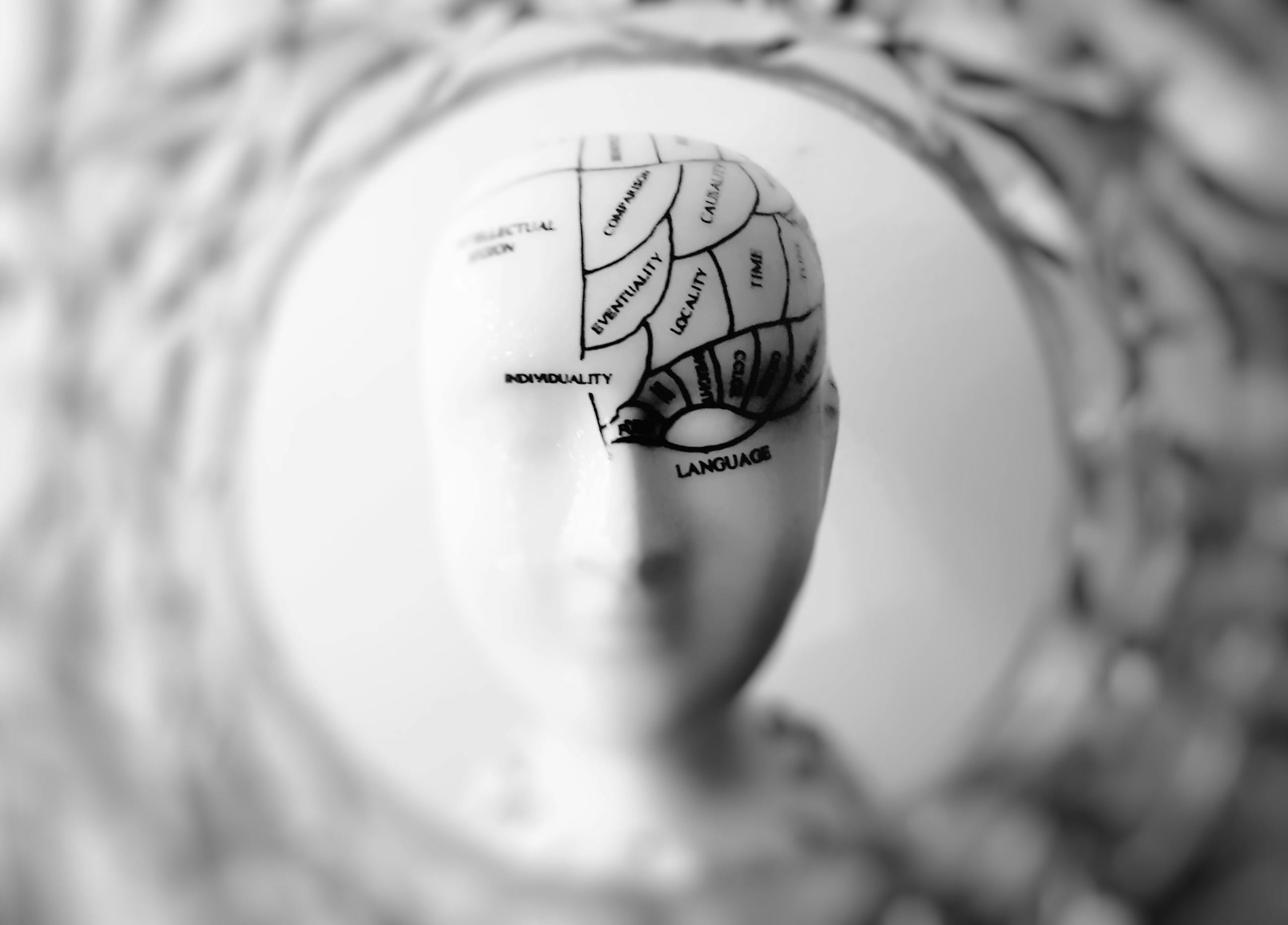
Whether you are a parent, an older sibling, or a leader of an organization, you’ve probably noticed that just telling people to do something doesn’t usually work well. Telling them to change works even less. Well, that experience makes sense, even scientifically. Brain research gives us insights on how we can get better results by taking on a coaching approach, pretty much in any role of influence.
All of us have developed deeply ingrained thought patterns over the course of our lives. Our brains have been conditioned, or “wired,” in certain ways, whether we’re aware of it or not. Even as you’re reading these very words, your brain is forming some amazing and unique neural connections, compared to the next guy or gal.
Think right now of the word “meatball”, for example. What comes to your mind? For someone, it could be IKEA’S meatballs. For another, it’s grandma’s delicious traditional meatballs. Yet, for another, meatball is the word that a bully used to tease him with back in elementary school – which still stirs up emotions. (By the way, this example was an actual case, that I recently heard in one of my group-coaching sessions.)
Why Our Brains Need Coaching!
Think of your brain’s wiring like an operating system on a device (iOS, Android, Windows, etc.), complete with mental maps and incredibly complex frameworks. And each one of us 8+ billion humans on this planet right now have a totally unique headquarters up in our noggins.
Let’s quickly look at two important and very different parts of our brains, which are at work when you tell your teenager to clean up his messy room or when you tell your employee to get his act together and change in certain ways. I will call these areas of the brain the preserver and the trailblazer.
Basal Ganglia – the preserver
Typically, when humans encounter change, something outside of our norm, our brains immediately send out signals to the body, saying: “Hey, something is not right here!” An automation-center in our brains, called the basal ganglia, has the function of storing up the everyday, common things. Think of your daily habits and routines. This is a super useful function, because imagine that you had to consciously think and process every single basic task of the day like getting out of bed, brushing your teeth, making a cup of coffee, driving to work – as if for the first time. You’d be in a constant state of overstimulation and stress. So, the preserver keeps us sane by filtering down the millions of daily stimuli and letting only certain, more urgent things that require our conscious attention to rise to the surface. All the rest of it runs under the hood, sort of automated.
A ”downside” of this, however, is that the preserver is quite a predominant part of our brains and resists unfamiliar input – and change! So, each time you mess with this system with a comment, such as: “Hey, you need to change that!”, what you’re doing is you’re rocking the preserver’s boat. There’s resistance.
Prefrontal cortex – our brain’s revolutionary trailblazer.
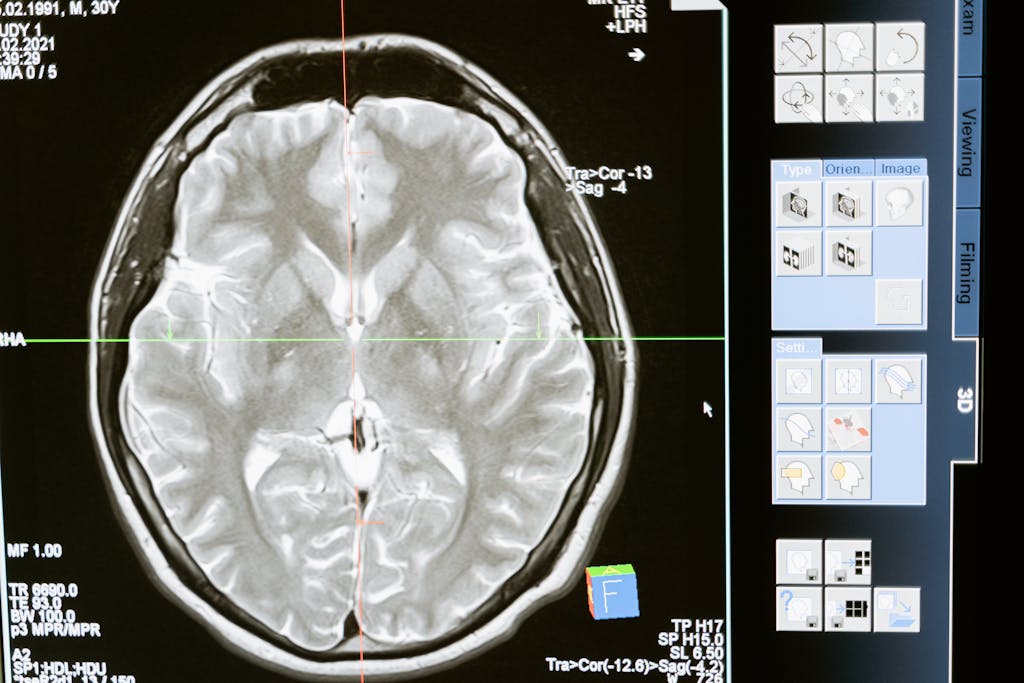
The other part of our brain to highlight is the prefrontal cortex (PFC), which you have more likely heard of. This part of the brain is more like a short-term working memory (like a computer RAM, random access memory). This trailblazer is friggin’ fast and deals with a lot of the new stuff that bombards us.
The PFC, however, has a much more limited capacity than the basal ganglia, which means it also tires more quickly. Kind of makes sense. Think back to visiting a new country, picking up a new musical instrument or learning to ride a bike for the first time. Initially, it required most of your concentration and effort, at times feeling quite overwhelming. But over time and with continuous practice, the new stimulus and experiences began to slowly integrate into your “muscle memory.” After a while the new thing became sort of second-nature, passing from the PFC to the BG.
So, for new information to “stick”, it needs to be repeated and reinforced over and over (and over and over), until it starts to “sink in”. And this is exactly the reason why old patterns are so hard to change. At a neurological level, as you introduce new things to your brain, it has to work double-time, with the trailblazerand the preserver battling it out. It’s a bit like installing new software… and not always on the fastest computer system (depending on how deeply rutted out mental patterns have been).
Why coaching works better than telling
So, what does this mean for parenting, leading, or teaching? It means that helping someone rewire their brain is no small task. Telling rarely works; coaching opens the door to new patterns.
Peter Drucker once said, “Culture eats strategy for breakfast.” Culture is simply embedded behavior patterns that have gone on autopilot. Good office culture is not a coincidence, but the result of good teamwork and great leadership.
Neuroscientist Jeffrey Schwartz says that, “The more we try to make people change, the harder they push back.” Anyone raising teenagers knows this truth. Instead of pushing, coaching invites people to discover their own solutions.
The power of good questions
At a neurological level, where we focus attention creates new connections. And the types of questions or focuswe apply determine how our brain begins to search for new solutions.
Coaching uses questions to guide focus toward solutions rather than problems, helping the brain to rewire positively. This explains the key principle of solution-focused coaching:
“Where you focus your attention, you make new connections.”
David Rock and colleagues found that moments of insight during coaching light up the brain. These “aha” moments release neurotransmitters like dopamine and adrenaline, giving a surge of motivation. But the effect is short-lived unless paired with a clear goal and action plan. Coaching helps harness these insights, turning flashes of clarity into lasting change.
And here is an interesting paradox: when a coach thinks they have the perfect answer, that’s usually the worst time to share it. True change sticks only when the insight comes from the person themselves. Our job, then, as coaches is more about facilitating insights than giving ready answers.
Coaching for the win
Real change requires a bit of understanding about the way we’re wired. Fortunately, the human brain’s neuroplasticity, the ability to form new connections, means that transformation is possible at any age. Instead of telling and yelling, leaders should try more intentional illuminating and some sensitive facilitating.
Also, having someone walk with us through new terrain, whether it is learning for our own development, or for leading people better, makes the journey far more effective. That is the gift of a coach – a guide, a partner, a trusted ally in rewiring the brain for growth to our fullest potential.
Valtteri Tuokkola, Raising Potential Coaching
This article was inspired by a classic coaching article: A Brain-Based Approach to Coaching (David Rock, based on an interview with Jeffrey M. Schwartz, M.D. You can find a link to this and a bunch of other his resources at: https://davidrock.net/david-rock-publications/